
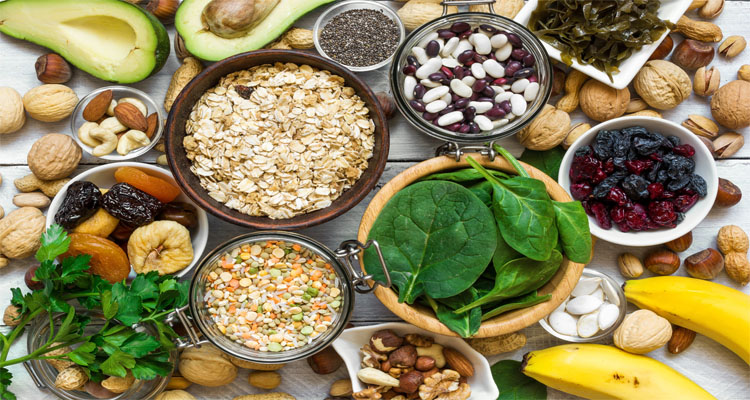
Magnesium is vital for heart and bone health, blood pressure, and sugar metabolism — and many common foods provide it naturally.
Nuts and seeds are top sources: almonds offer 80 mg per ounce, cashews 74 mg, hemp seeds 210 mg per three tablespoons, and pumpkin seeds 165 mg. Legumes like black beans (120 mg per cup) and lentils (71 mg) are also rich in magnesium, as are whole grains such as quinoa (118 mg per cup) and buckwheat (86 mg).
Dairy contributes smaller amounts, including 30 mg in a cup of low-fat milk and 17 mg in fat-free Greek yogurt. Fruits like dried figs (101 mg per cup) and bananas (32 mg each), as well as vegetables such as spinach (78 mg per half cup) and potatoes (43 mg), also help boost intake.
Dark chocolate adds 48–129 mg depending on cocoa content. Since the body cannot produce magnesium, it must come from diet. Adults need 310–420 mg daily, while children require 30–410 mg depending on age.
